
CERTIFICATE PROGRAM
Microneedling Certificate Program
DEVICE TRAINING • INFECTION PREVENTION • BRAMPTON CAMPUS
Body Pro Beauty & Aesthetics Academy Inc. offers the Microneedling Certificate Program at its Brampton campus for students seeking focused education in cosmetic microneedling, device handling and professional service procedures.
Training combines client consultation, device and needle-cartridge handling, infection prevention, documentation and supervised student-to-student practical learning.
Registered Career College | Device & Cartridge Training | Infection Prevention | Supervised Practical Learning
Flexible, Interest-Free Payment Options for the Microneedling Certificate Program
Body Pro Beauty offers interest-free payment plans for the Microneedling Certificate Program. Payments are arranged directly with the Academy, with no bank financing or credit check required. This gives students a clearer way to plan for hands-on training in microneedling principles, device use, client consultation, infection prevention, and supervised practical procedures.
Before registering, review the payment-plan overview and speak with admissions to confirm the current program-specific payment schedule, enrolment terms, applicable fees, and refund or cancellation information. Clear payment details can help students compare training options with greater confidence before they commit.
Interest-Free Payments | Arranged Directly With Body Pro | No Bank Financing | No Credit Check
Microneedling Procedures, Infection Prevention & Professional Scope
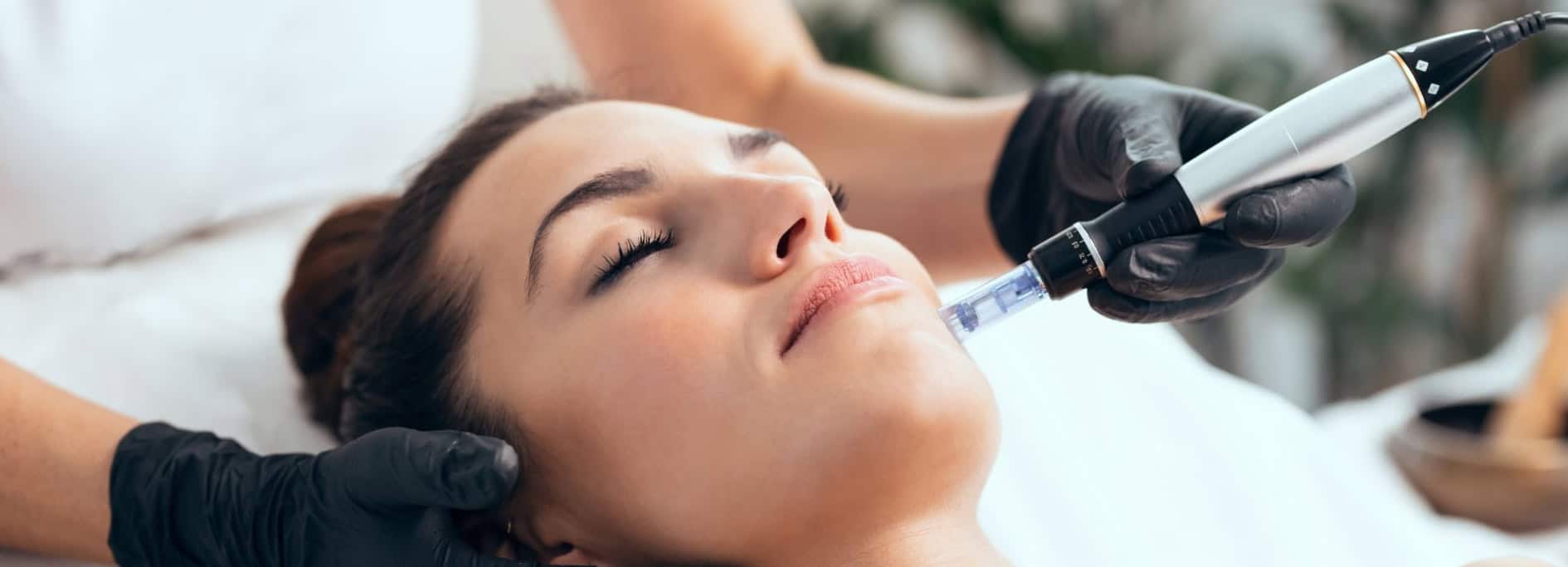
Microneedling uses needle-based devices that create controlled punctures in the skin. Because the service penetrates the skin and may involve exposure to blood or body fluids, professional practice requires careful attention to workstation preparation, hand hygiene, protective barriers, sterile single-use components, sharps disposal, equipment handling, client records, and post-service cleanup.
Instructor demonstrations and supervised practice help students connect device-specific procedures with client consultation, contraindication screening, informed consent, service planning, documentation, recognition of adverse responses, and pre- and post-service communication.
Students also learn to recognize client information or visible skin characteristics that may require a service to be modified, postponed, declined, or referred to an appropriate healthcare professional.
The program focuses on cosmetic microneedling services. It does not qualify graduates to diagnose or treat dermatological disease, infection, alopecia, abnormal hair loss, or other medical conditions.
Microneedling is considered an invasive personal service. Ontario guidance emphasizes infection-prevention practices in personal service settings, while local public-health guidance requires sterile, individually packaged needle cartridges and appropriate safeguards against equipment contamination. (Public Health Ontario – IPAC in PSS)
Health Canada distinguishes RF microneedling as a medical-device procedure and identifies licensed RF microneedling devices as Class III devices with additional potential risks. (Health Canada – Health Product InfoWatch)
Course Curriculum
- Professional Ethics, Client Care and Scope of Practice
- Skin Structure and Collagen-Response Fundamentals
- Cosmetic Microneedling Principles and Techniques
- Microneedling Device Types and Operating Principles
- Needle Cartridges and Manufacturer Instructions
- Device Settings and Service Considerations
- Hand Hygiene and Personal Protective Equipment
- Infection Prevention and Surface-Barriers
- Sterile Single-Use Needle Cartridges
- Sharps Handling and Disposal
- Cleaning and Disinfection of Reusable Equipment
- Professional Client Consultation and Informed Consent
- Cosmetic Service Planning
- Visible Skin Characteristics and Client Considerations
- Cosmetic Scalp Microneedling Concepts
- Visible Hair and Scalp Characteristics
- Contraindications and Referral Boundaries for Scalp Services
- Realistic Client Communication for Appearance-Focused Scalp Services
- Contraindications, Precautions and Referral Boundaries
- Product and Ingredient Considerations
- Device-Specific Service Procedures
- Recognition of Expected and Adverse Responses
- Pre- and Post-Service Client Guidance
- Client Records and Service Documentation
- Professional Liability and Insurance Considerations
- Instructor Demonstrations and Supervised Practical Training With Models
Cosmetic Service Goals, Limitations & Client Communication
Students review common appearance-focused reasons clients may ask about microneedling, along with the factors that can affect suitability, service planning, expected responses, recovery experiences, and cosmetic outcomes.
Training emphasizes communicating realistic expectations, avoiding guaranteed results, obtaining informed consent, documenting client information, and recognizing situations that require postponement, service modification, or referral.
Students also review possible adverse responses and the importance of following device instructions, infection-prevention procedures, product-use limitations, and appropriate post-service guidance.
Individual suitability and results vary. The program does not teach students to promise that microneedling will remove scars, reverse aging, treat pigmentation disorders, cure alopecia, restore hair, or correct a medical skin condition.
Program Learning Outcomes
Students will have opportunities to:
- Explain foundational cosmetic microneedling principles and terminology
- Describe skin structure and the general response associated with microneedling
- Prepare an organized workstation using appropriate infection-prevention practices
- Conduct a structured client consultation and obtain informed consent
- Review device types, needle cartridges, settings, and manufacturer instructions
- Handle sterile single-use cartridges and sharps appropriately
- Prepare and operate program-specific equipment under instructor supervision
- Follow device-specific service procedures during supervised practice
- Recognize contraindications and situations requiring modification, postponement, or referral
- Recognize expected responses and possible adverse events
- Maintain client records and service documentation
- Communicate realistic pre- and post-service guidance
- Review product and ingredient considerations within professional scope
- Understand introductory professional-liability and insurance considerations
- Distinguish cosmetic microneedling education from medical diagnosis or treatment
Request Current Microneedling Program Information
To review the current curriculum, schedule, tuition, payment options, equipment used, model-practice requirements, supply requirements, supervised practical components, credential information, and next available start date, complete the program-information form.
A Body Pro Beauty admissions advisor will contact you to answer your questions and explain the applicable enrolment steps.
Request Microneedling Program Information
Tell us how you would prefer to be contacted and what you would like to know about the program. An admissions advisor can provide current curriculum, schedule, tuition, payment-option, equipment, supply, practical-training, and enrolment information.

Program Schedules and Start Dates
Microneedling Certificate schedules and start dates may vary. Contact admissions to confirm current weekday or weekend availability, attendance requirements, program duration, delivery format, model-practice requirements, and the next planned intake.
What to Expect From Microneedling Training

Instructor Guidance
Students receive theory instruction, device demonstrations, guided feedback, and opportunities to ask questions while developing program-specific knowledge and practical techniques.

Supervised Practical Learning
Hands-on activities support workstation preparation, client consultation, device setup, infection-prevention procedures, supervised microneedling applications, documentation, and pre- and post-service communication.

Infection Prevention & Professional Practice
Training emphasizes sterile single-use needle components, sharps handling, cleaning and disinfection, client records, contraindication awareness, informed consent, professional scope, and realistic client communication.
Compare Instructor-Led and Online Microneedling Education
Body Pro Beauty offers two distinct microneedling learning formats.
The Microneedling Certificate Program provides instructor-led education with supervised practical learning, device demonstrations, infection-prevention procedures, client consultation, and model-based practice.
The Microneedling Lab is a self-paced online course focused on theory, structured video lessons, instructor email support, learning resources, and a digital certificate of completion. It does not replace supervised practical training.
Compare the curriculum, delivery format, practical components, instructor support, course access, credential, and enrolment requirements before choosing the option that best fits your goals.
The current online course includes 12 modules, video lessons, email support, lifetime course access, and a digital completion certificate.
Compare Microneedling & Advanced Skincare Programs
Not sure whether the focused Microneedling Certificate, the self-paced online course, or a broader skincare and aesthetics program is the right fit? Compare Body Pro Beauty’s diploma, certificate, and selected online training options based on curriculum, credential, schedule, delivery format, supervised practical components, and your training goals.
Page reviewed by Donna Kalsey
Director, Body Pro Beauty & Aesthetics Academy Inc.
Donna Kalsey is the Director of Body Pro Beauty & Aesthetics Academy Inc., a registered career college in Brampton serving students across the Greater Toronto Area. Her responsibilities include academy leadership, program oversight, instructor guidance, student mentorship, and the review of public-facing educational content.
Donna reviewed the academy-authored content on this page for factual accuracy, clarity, current school or program information, appropriate source attribution where applicable, and usefulness to prospective students.
Reviewed for: factual accuracy, content clarity, current information, source transparency where applicable, and student guidance.
Last updated: August 30, 2026